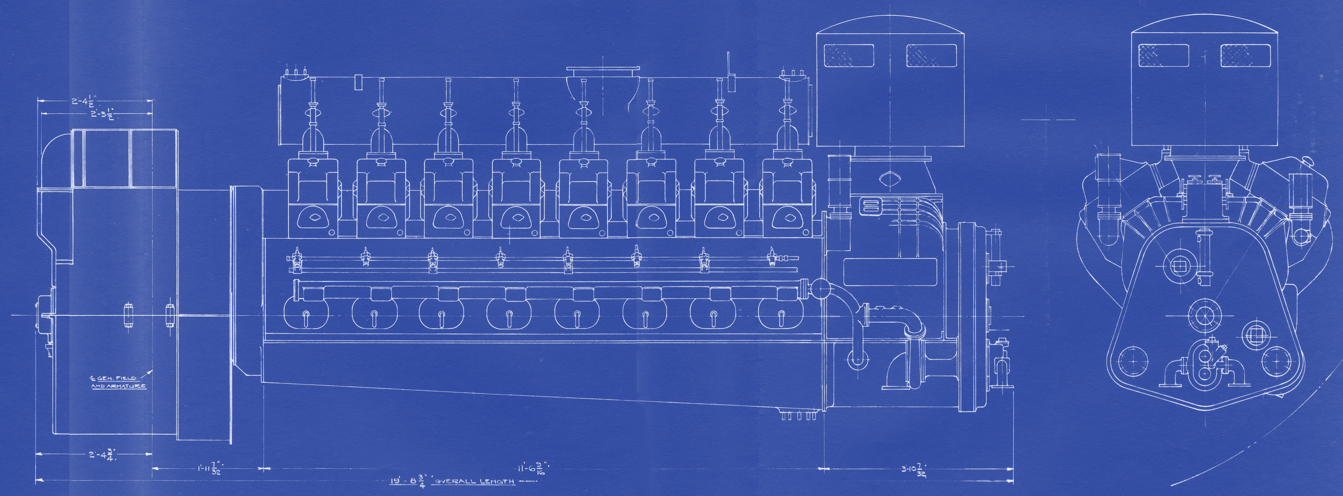
In Blanca, Colorado, East of Alamosa and at the start of the D&RGW’s La Veta Pass line, was the interchange with the San Luis Valley railroad, a 30 some mile shortline, operating a mix of hand me down steam power. In 1950, the railroad purchased former D&RGW idler car #010798, which started life as D&RGW 2-8-0 964. These idler cars allowed standard gauge engines to bring narrow gauge cars between Alamosa and Antonito Colorado, and vice versa.
The SLV had a crazy idea, and opted to create their own locomotive. They had the notion to use rubber tires for traction, placed between the sets of freight car trucks. A Ford Flathead V8 engine powered the contraption. Be sure to check out this link for an Otto Perry photo of this engine – https://digital.denverlibrary.org/digital/collection/p15330coll22/id/67200
Well, it did not work. The tires apparently were not up to this task and would blow out often on the 30 mile railroad, and the engine was sidelined as a switcher before being taken apart.

In 1953 the railroad was reorganized as the Southern San Luis Valley, with new traffic shipping out chilled lettuce as the main industry served. The old idler flat car was retrieved, and a new locomotive idea was brought to the table. The old rubber traction system was removed, and a chain drive directly to the axles was used (more on this shortly). By 1957 the railroad was reduced to just a few miles in the Blanca area.

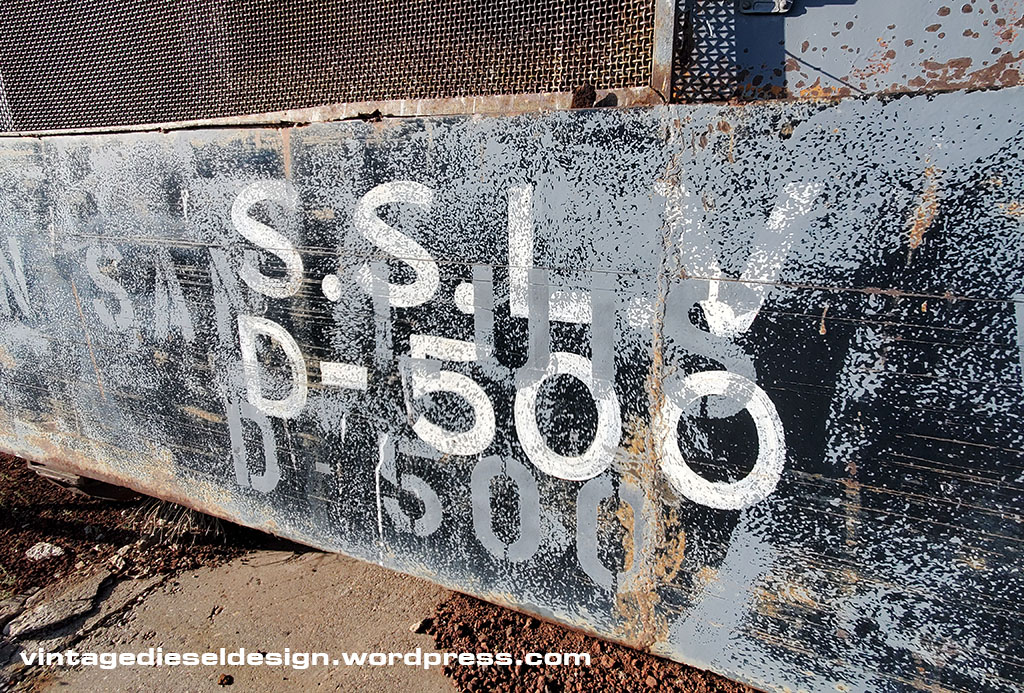
The new locomotive, dubbed the D-500, was powered by an International Harvester UD-24 diesel engine…

…which in turn drove a Cat hydraulic transmission..in turn feeding into a Euclid truck axle. This truck axle was connected to a sprocket turning a double roller chain, which was reduced down to another sprocket, that went down onto one of the trucks.

The main drive chain (visible just over the brake lever) drove the wheel, with said wheel also chain driving the wheel on the adjacent truck. Holy moving parts, Batman! This system must have been an absolute nightmare to keep in check and working correctly, but apparently it did just that..
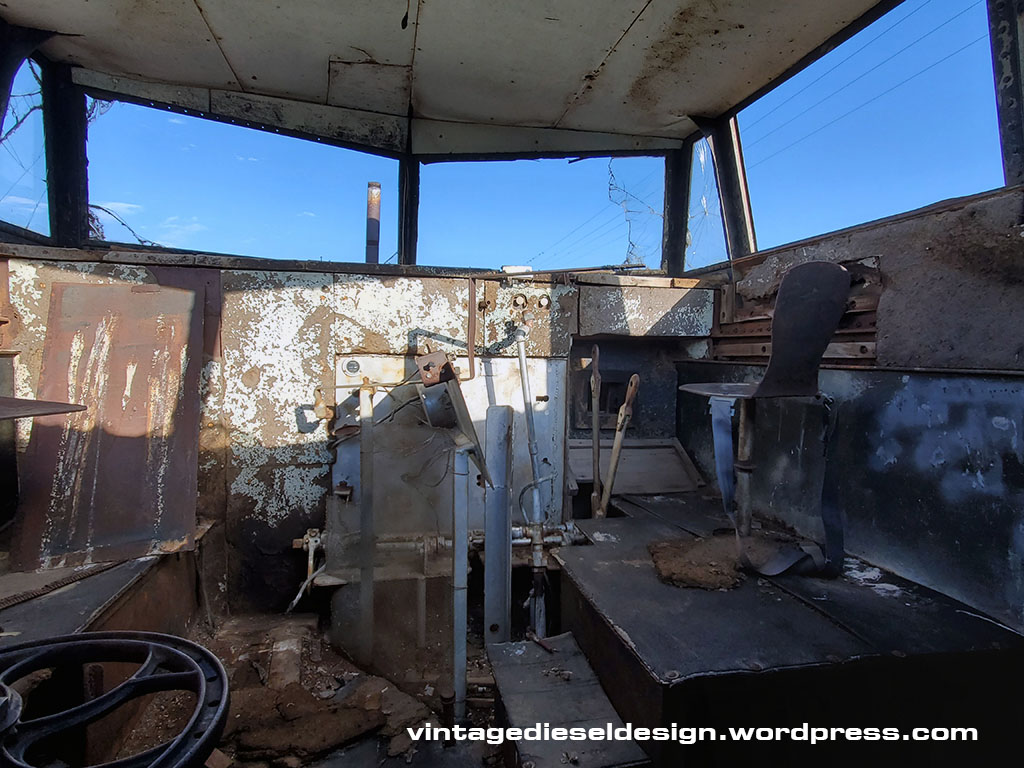
Inside, the D-500 is pretty spartan..a handbrake wheel, and the assortment of shifters and throttle levers. Pretty good view though!


Looking down from the engineers seat, is a small little sliding window to look down at the engine.
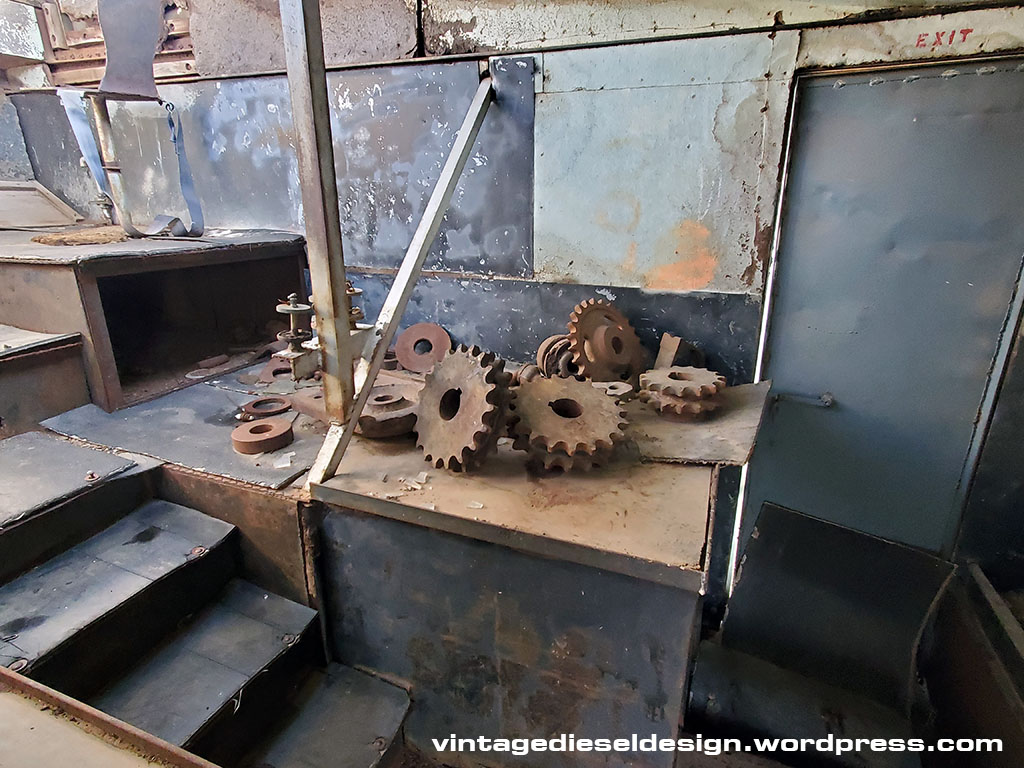
A pile of old sprockets sits in side..
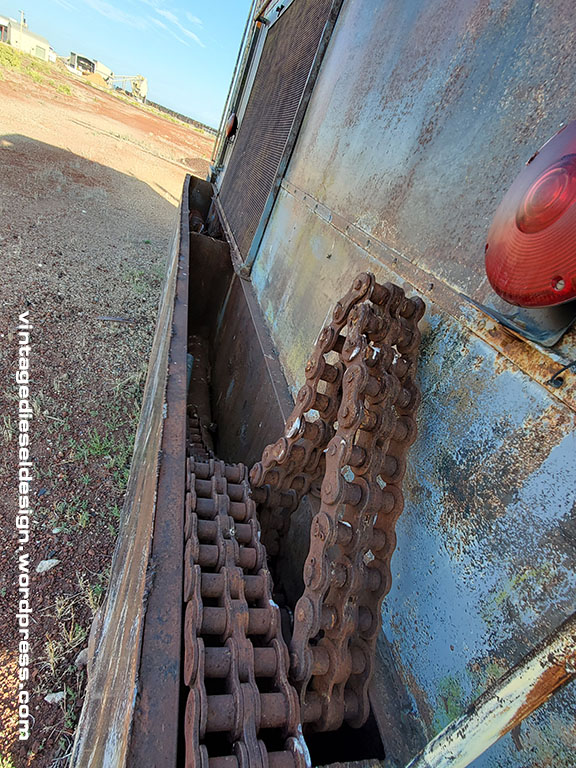
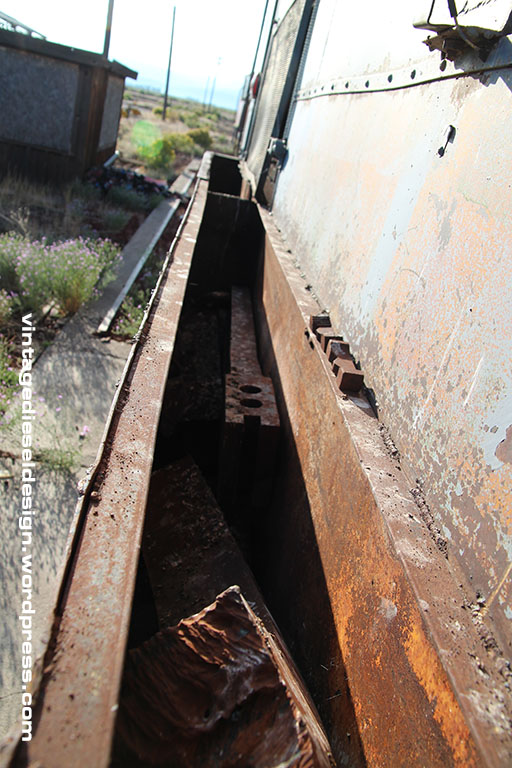
Both sides of the locomotive have ballast boxes, with one side full of freight car axles and old chains.. and the other various chunks of metal and cutup wheels.
Here is a 1978 photo by Jim Gavin of the D-500. Note the large double roller chain visible. http://www.rrpicturearchives.net/showPicture.aspx?id=1231372


The Southern San Luis Valley would continue to operate until 1996 when they shut down, and essentially left the equipment abandoned. The “assets” and ROW were purchased by the San Luis and Rio Grande Railway in 2007 simply for car storage, with the two SSLV locomotives left to rust away..

The second SSLV engine on the property, sitting next to the D-500 is former US Army/Utah Power & Light Plymouth ML3 #1. They purchased this in 1977 in non running condition. An engine was found, but the project was never finished, and the engine sits sans hood.

The pair of SSLV engines sit abandoned in a lot today. I sincerely hope that the D-500 can be preserved. As ugly as it is, it is a true testament to shortline railroading and the ingenuity put forth to keep operating on a shoestring budget.
Bob Griswold called the D-500 the “Slow moving conglomerate of Caterpillar, International Harvester, Euclid and other assorted moving parts and mechanisms” in his book Colorado’s Loneliest Railroad – the San Luis Southern. I found a copy of this on my way home and immediately picked it up. While I have yet to fully read it, its a fantastic look at this little railroad.

One last look at the D-500. Unfortunately the sun was not in my favor for my visit to these relics. I wonder if you rev it up and dump the clutch if it will do a burnout..
Summer 2024 update! The D-500 is safe! The locomotive has been moved into downtown Blanca, and placed on display under a covered pavilion. It is currently being prepped for a repaint as well.















 Vintage Diesel Design